From Stuck to Unstoppable: How to Turn Frustration into Passion in Your Business Journey
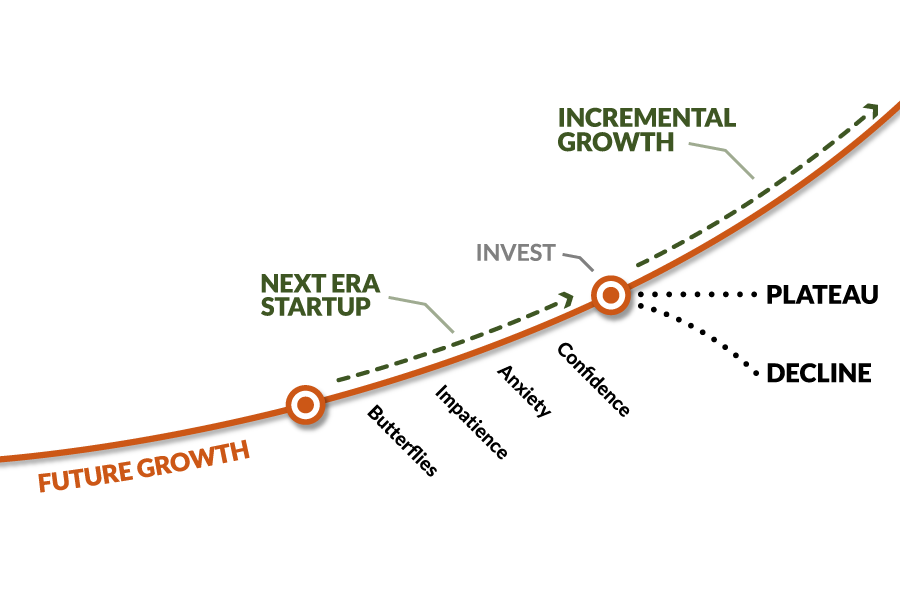
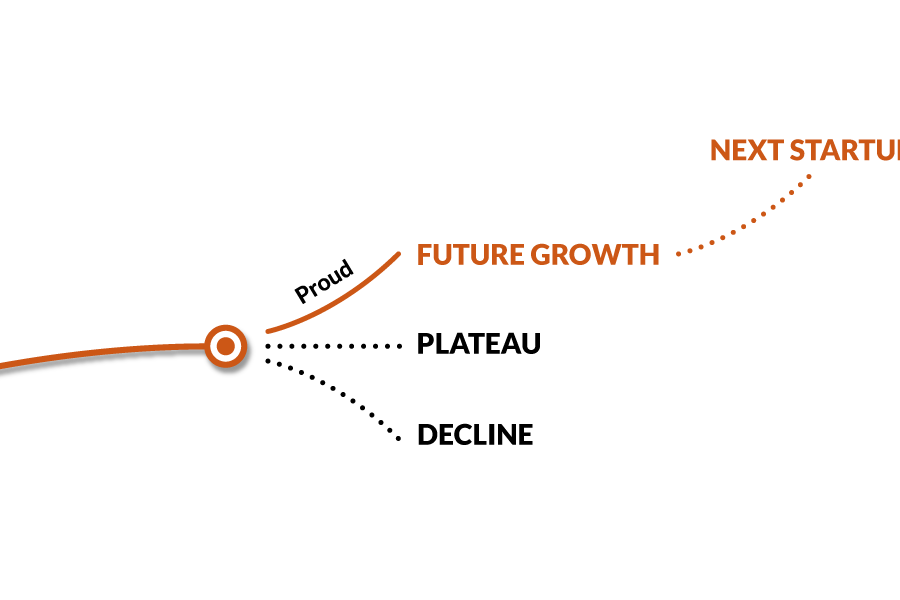
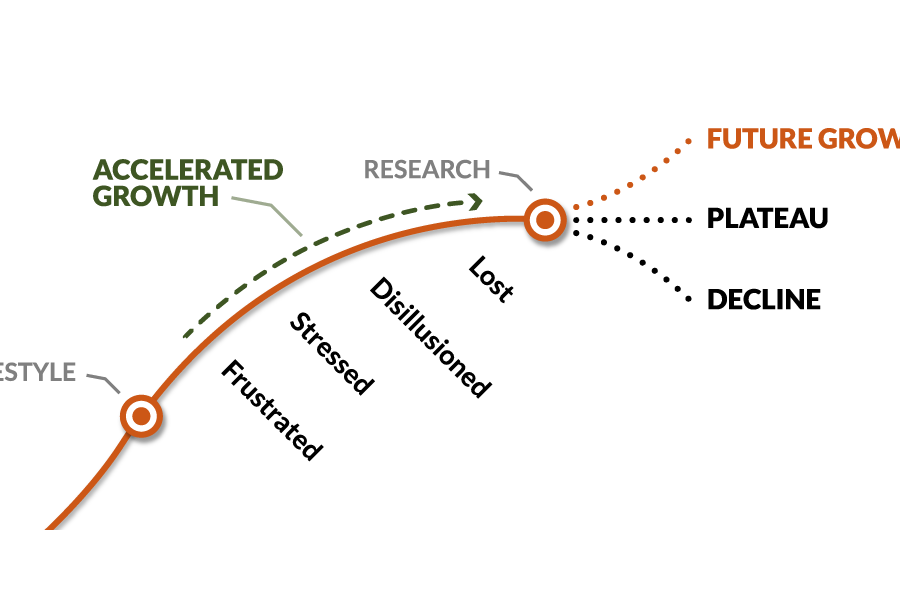
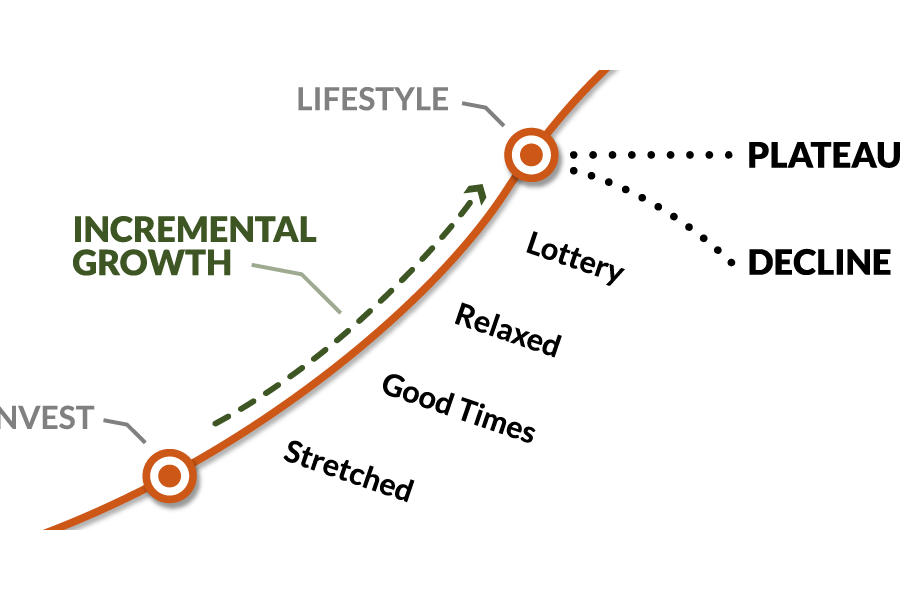
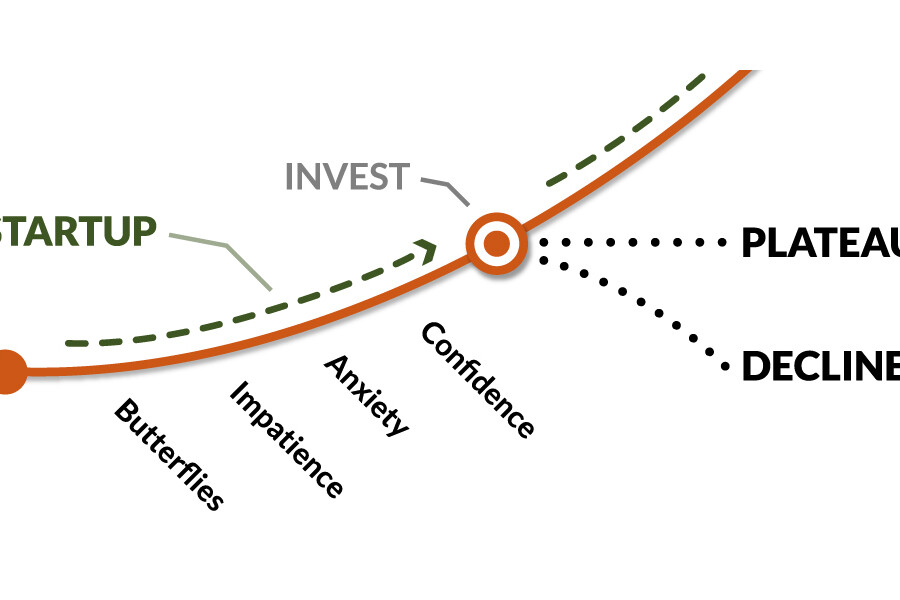
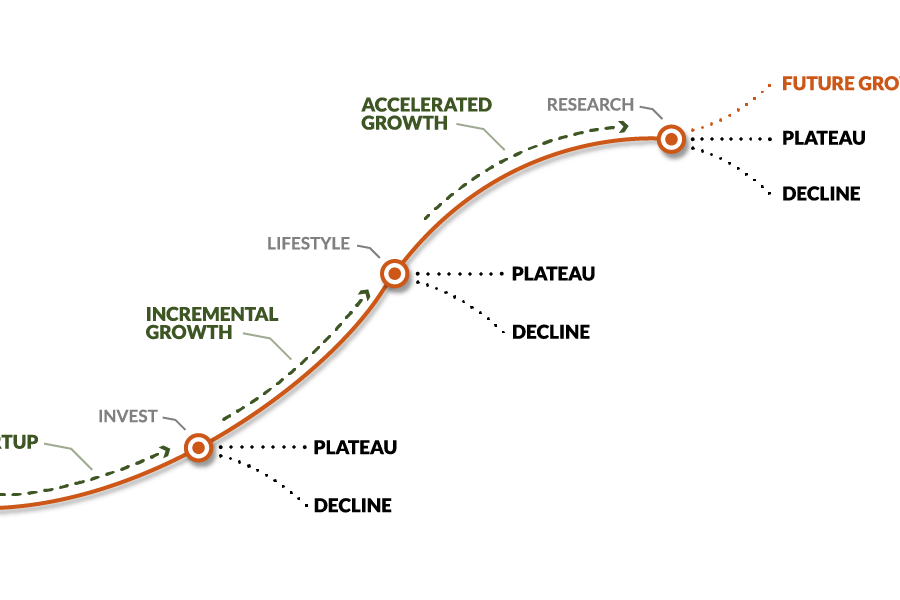
As the leader of a mature business, you may find yourself wrestling with growth stalls and creeping disillusionment, sometimes wondering if you’re failing. This feeling is normal within certain phases of the business life cycle; not every company makes it through all stages or embarks on a new cycle. Understanding these phases and cycles is essential for overcoming stagnation and rekindling your passion.
Recognize the Signs Early
Are any of these symptoms showing up in your business?
- Revenue growth has slowed considerably compared to previous months or years.
- Meeting payroll and supplier payments has become a stressful hurdle.
- You dread going to work, anticipating the mounting problems.
- Team members are withdrawing or engaging in workplace politics.
- Profitability is difficult to maintain or recover.
- You’re questioning the roles of key employees or considering letting them go.
- Customer complaints about late deliveries and service issues are on the rise.
- Critical employees are resigning, saying the work has become too hard.
Catching these signs early allows you to take action before a stall becomes a decline.
The Double-Edged Sword of Success
Ironically, rapid topline growth is often what triggers these issues. The excitement of growing revenues brings about new operational complexities and unexpected overhead, as resources stretch thin to meet demand. Margins tighten. People and cash flow are stressed.
If you’re feeling hammered by your own growth, it’s time to scrutinize your cost structure. Where has efficiency slipped? Can you automate processes or utilize AI? Would bringing in higher-skilled staff or selectively outsourcing help? Reevaluate vendor contracts and streamline workflows to maintain profit—even when growth slows.
Looking Ahead: Forecast Wisely
Costs and revenue rarely grow in perfect proportion. As you expand, costs tied to scaling operations often outpace revenue, sometimes unintentionally. Many leaders simply add a percentage onto last year’s budget or assume costs will follow revenue. In reality, infrastructure costs and “creeping” expenses can erode profits over time.
Be rigorous: create accurate projections based on what’s truly happening now. Consider when you’ll need more people, space, equipment, or working capital. Commit to regular financial reviews to catch hidden expenses early. When cutting costs, be strategic—trim what’s unnecessary without harming your core operations.
Culture: Turning Disillusionment into Drive
During stressful phases, workplace culture can become toxic. Fear and uncertainty breed frustration, affecting both management and staff. Productivity drops, and distrust can take root. Leadership’s attitude—closed doors or negative energy—will reverberate throughout the team.
To turn this around, deepen transparency and communication. Revisit your company values and how they’re demonstrated. Create open forums for staff to share concerns; this helps surface issues early and builds a sense of collective purpose. Openness transforms negativity into action and empowers collaboration.
Leveraging Customer Feedback
Customer complaints rise during periods of stagnation. Far from being a nuisance, these are invaluable feedback sources. Approach every complaint as an opportunity—not just to resolve an issue, but to strengthen your relationship and learn how growth affected your customers.
Respond with empathy and promptness, and ask customers about their overall experience with your company during recent phases of growth. The insights you gain will point directly to areas for improvement.
The Management Challenge: Inspire and Reconnect
Maintaining a strong organizational culture is vital for long-term success. When morale slips, reinforcing your core values and shared vision is more important than ever. Celebrate wins, no matter how small, and organize team activities or informal gatherings to keep spirits high.
If you feel disconnected, purposefully reconnect with your team. Reassess goals, seek input on innovation and cost-saving, and openly discuss challenges and needed investments. This invites fresh ideas and revitalizes commitment across your company.
You’re Not Alone—And the Future Is Bright
Disillusionment may be common, but it’s only a phase. Proactively spotting stagnation signs, revisiting your cost structure, supporting your people, and being receptive to feedback can transform frustration into focused energy.
Take bold steps today: reconnect with your passion, draw energy from your vision, and empower your team to collaborate towards a stronger, more vibrant business future. When you do, you move from stuck…to unstoppable.